

Pain has a way of interrupting life without warning. One moment you are at work, planning your day, or resting at home, and the next, a sharp discomfort in your side refuses to be ignored. Kidney stones often announce themselves this way, turning ordinary routines into moments of concern and confusion. When symptoms escalate and medical advice enters the picture, many patients begin searching for answers about shock wave lithotripsy as a safe and non-invasive treatment option.
Along with medical questions comes a practical concern that almost every patient quietly carries. How much will this treatment cost, and what exactly influences the price? At SS Uro Care, patients seeking shock wave lithotripsy in Bangalore frequently arrive with the same mix of anxiety and curiosity. They want relief from pain, but they also wish for clarity. Understanding the cost is not just about numbers. It is about knowing what the treatment involves, what value it offers, and how to plan confidently for recovery.
Before we discuss figures or comparisons, it helps to understand what shock wave lithotripsy actually does and why it plays such an important role in modern kidney stone management.
What Is Shock Wave Lithotripsy and Why Is It Recommended?
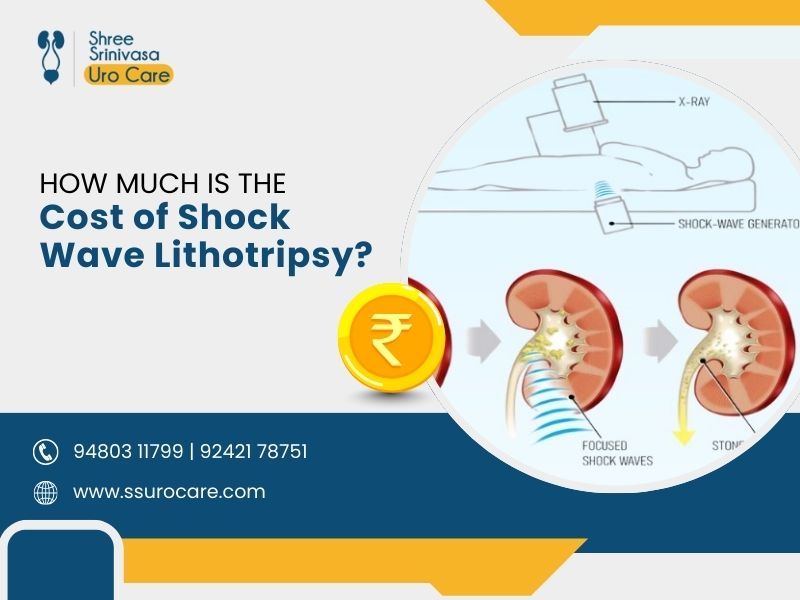
Shock wave lithotripsy is a non-surgical procedure used to break kidney stones into smaller fragments so the body can pass them naturally through urine. Doctors often recommend it when stones are too large to pass on their own, but do not require invasive surgery.
The procedure uses focused sound waves that travel through the body and target the stone with precision. These waves gradually fragment the stone without cutting the skin or entering the body. Because of this approach, many patients consider it a gentler alternative to surgical procedures.
Medical literature often refers to this technique as extracorporeal shock wave lithotripsy, a term that highlights the external nature of the treatment. While the name sounds complex, the concept remains simple. It treats stones from outside the body while protecting surrounding tissues.
Why Cost Questions Matter More Than Patients’ Health
When pain becomes persistent, cost rarely becomes the first question. Relief takes priority. However, once the diagnosis is settled and treatment planning begins, financial clarity becomes essential. Patients want to know whether the procedure fits their budget, whether insurance offers support, and whether the price reflects quality care.
Understanding the shock wave lithotripsy cost helps patients avoid surprises and make informed decisions. It also allows families to plan without unnecessary stress during recovery.
What Determines the Cost of Shock Wave Lithotripsy?
Several factors influence pricing, and no two cases are identical. The cost depends on medical, technical, and logistical considerations rather than a single flat rate.
Key factors include
- Size, location, and number of kidney stones
- Type of lithotripsy machine used
- Number of sessions required
- Imaging and diagnostic tests before and after the procedure
- Post-procedure monitoring and follow-up care
Because each case differs, doctors evaluate patients individually before suggesting treatment. This evaluation ensures safety, effectiveness, and accurate cost planning.
Understanding Shock Wave Lithotripsy Price
Many patients search online for shock wave lithotripsy price estimates and feel confused by the wide range they see. Online figures often reflect averages rather than real-world medical decisions. What matters more is how the treatment aligns with your specific condition.
Some patients require only one session, while others need more than one based on stone hardness and location. These differences influence pricing significantly.
Is Shock Wave Lithotripsy Available Near You?
Patients often look for shock wave lithotripsy near me because follow-up visits and comfort during recovery matter. Accessibility plays an important role, especially when patients need monitoring after treatment. While location convenience matters, expertise, equipment quality, and post-care support should remain top priorities.
At SS Uro Care, patient education remains central to the treatment journey. Clear explanations help patients understand not just where treatment happens, but how it supports long-term kidney health.
Does Insurance Cover Shock Wave Lithotripsy?
Insurance coverage varies based on policy terms and medical necessity. Many patients ask about the shock wave lithotripsy cost with insurance because it significantly affects out-of-pocket expenses. Most insurers consider lithotripsy a medically necessary procedure when stones cause pain, obstruction, or infection risk.
Coverage typically depends on
- Policy inclusions
- Diagnostic confirmation
- Hospital network agreements
- Pre-authorization requirements
Patients benefit from reviewing their policy details and discussing documentation needs early in the planning stage.
How Shock Wave Lithotripsy Compares Across India
People research shock wave lithotripsy in India to understand broader pricing trends. Costs can vary based on city infrastructure, availability of advanced machines, and specialist expertise. While affordability matters, treatment quality and safety standards should never be compromised.
Similarly, references to extracorporeal shock wave lithotripsy price often differ due to differences in technology and clinical protocols across facilities.
Why Procedure Terminology Can Be Confusing
Medical terms such as extracorporeal shock wave lithotripsy (ESWL) and shock wave lithotripsy (SWL) describe the same core technique. Patients often encounter both names while researching treatment options. Understanding this helps avoid confusion and ensures accurate conversations with healthcare providers.
Doctors explain the approach clearly during consultation, helping patients feel confident about the treatment plan.
Is the Cost of Shock Wave Lithotripsy Justified?
When patients evaluate the cost of shock wave lithotripsy, they often compare it to surgical alternatives. Lithotripsy offers advantages such as
- No surgical cuts
- Shorter recovery time
- Lower risk of complications
- Faster return to daily activities
These benefits often make it a preferred option when clinically appropriate.
What Makes Shock Wave Lithotripsy at SS Uro Care in Bangalore the Preferred Choice?
People choose this treatment because it combines medical precision with patient comfort. The approach allows effective stone management while reducing physical strain during recovery.
Recovery Experience and Hidden Value
Recovery after lithotripsy usually involves mild discomfort, hydration guidance, and short-term medication. Patients often resume routine activities within a few days. This quicker recovery contributes to overall cost-effectiveness by reducing time away from work and daily responsibilities.
FAQs
1. Is extracorporeal shock wave lithotripsy painful?
Patients may feel mild discomfort during the procedure, but doctors manage it with sedation or pain control methods. Most people describe the experience as tolerable. Post-treatment soreness usually fades quickly.
2. How does the cost of extracorporeal shock wave lithotripsy in India compare to surgery?
Lithotripsy often costs less than surgical interventions due to shorter hospital stays and faster recovery. The exact difference in extracorporeal shock wave lithotripsy cost depends on case complexity. Doctors help patients understand both options before deciding.
3. Will I need multiple sessions of shock wave lithotripsy?
Some stones require more than one session, depending on hardness and size. Doctors assess progress through follow-up imaging. Additional sessions remain part of a planned treatment approach rather than a complication.
Making the Right Decision With Confidence
When kidney stones disrupt your comfort and routine, clarity matters as much as treatment. Understanding the extracorporeal shock wave lithotripsy cost in India, recovery, and expectations allows you to move forward without uncertainty. If you are considering shock wave lithotripsy in Bangalore, then look no further than SS Uro Care, which offers patient education, transparency, and safety. Taking the time to understand your options today helps prevent prolonged discomfort tomorrow.