
Extracorporeal Shock Wave Lithotripsy (ESWL)
Shock Wave Lithotripsy
Shock Wave Lithotripsy in Bangalore is a non-invasive kidney stone treatment that uses focused shock waves to break stones into smaller fragments, helping them pass naturally through urine. At SS Urocare Hospital, Dr. K. S. Shiva Kumar evaluates the size, location, and type of kidney stone before recommending shock wave lithotripsy in Bangalore or other suitable treatment options.
Kidney stones can cause severe pain, urinary discomfort, blood in urine, and repeated infections if left untreated. While small stones may pass naturally with medicines and hydration, larger stones may require procedures for effective removal.
What Is Shock Wave Lithotripsy (ESWL)?
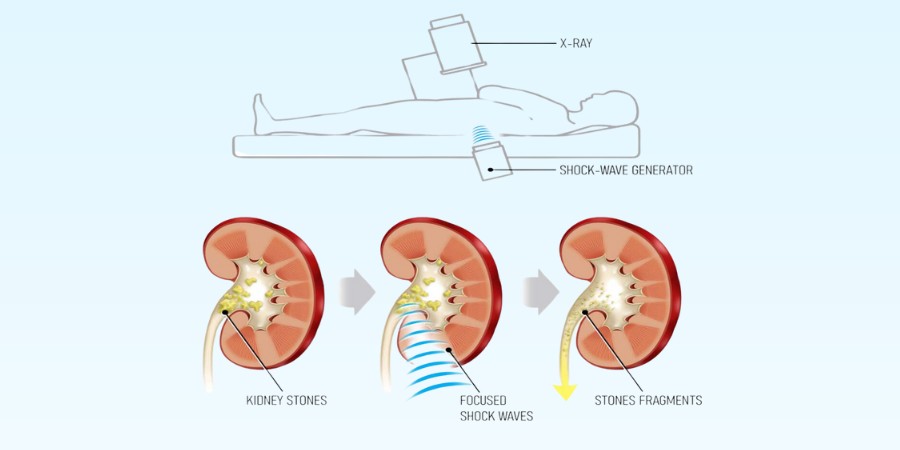
Shock Wave Lithotripsy, also called ESWL, is a minimally invasive procedure used to break kidney stones using high-energy shock waves generated outside the body.
During the procedure, these shock waves are focused directly on the stone. The stone breaks into smaller pieces, which can then pass naturally through the urinary tract.
Unlike surgical stone removal procedures, ESWL does not require:
- Large cuts
- Stitches
- Direct access through the urinary passage
However, ESWL is not suitable for every kidney stone. The treatment decision depends on factors such as:
- Stone size
- Stone location
- Stone hardness
- Kidney function
- Overall health condition
When Is Shock Wave Lithotripsy Recommended?
Shock Wave Lithotripsy may be recommended when a kidney stone is suitable for fragmentation and natural passage.
A urologist may consider ESWL when:
- The stone size is small to medium
- The stone is located in the kidney or upper ureter
- The stone is causing pain or urinary blockage
- Medicines have not helped the stone pass
- The patient prefers a non-surgical treatment option
Large stones, very hard stones, or stones located in difficult positions may require other procedures such as URSL, RIRS, or PCNL.
What Symptoms May Require Lithotripsy Treatment?
Kidney stones may not always cause symptoms initially. However, as the stone grows or moves through the urinary tract, symptoms may appear.
Common symptoms include:
- Severe pain in the back or side
- Pain spreading towards the lower abdomen or groin
- Burning sensation while urinating
- Blood in urine
- Frequent urge to urinate
- Nausea or vomiting
- Repeated urinary infections
If these symptoms occur, a detailed evaluation can help identify whether lithotripsy treatment in Bangalore is suitable.
How Does ESWL Work?
Before performing ESWL, the doctor evaluates the stone through imaging tests such as ultrasound, X-ray, or CT scan.
The procedure usually involves three steps:
1. Evaluation Before Treatment
The urologist reviews:
- Stone size and location
- Kidney function reports
- Medical history
- Urine and blood test results
This helps determine whether shock wave treatment is the right option.
2. Shock Wave Application
During the procedure, the patient lies on a specialized treatment table. The lithotripsy machine sends focused shock waves through the skin towards the kidney stone.
These waves break the stone into smaller fragments.
3. Passing Stone Fragments
After ESWL, the smaller fragments gradually pass through urine. Follow-up scans may be advised to confirm stone clearance.
How Long is the Recovery After shock wave lithotripsy in Bangalore?
Since ESWL does not involve surgical cuts, recovery is generally quicker compared with invasive stone removal procedures.
After treatment, patients may experience:
- Mild discomfort while passing stone fragments
- Slight blood in urine temporarily
- Increased urinary frequency
Recovery instructions may include:
- Drinking sufficient fluids as advised
- Taking prescribed medicines
- Avoiding strenuous activities for a short period
- Attending follow-up appointments
The time required for complete stone clearance depends on the stone size and number of fragments formed after treatment.
What is the Lithotripsy Cost in Bangalore?
The lithotripsy cost in Bangalore generally ranges from ₹20,000 to ₹1,20,000, depending on the type of procedure, stone condition, hospital charges, and additional requirements.
The exact shock wave lithotripsy treatment cost in Bangalore varies for every patient because treatment depends on individual stone characteristics.
How Much Does ESWL Treatment Cost in Bangalore?
| Procedure | Approximate Cost |
|---|---|
| ESWL Treatment Cost in Bangalore) | ₹25,000 – ₹60,000 |
| Laser Lithotripsy Cost (URSL/RIRS) | ₹50,000 – ₹1,20,000 |
| Additional investigations, medicines, or stent charges | May vary depending on requirement |
The final ESWL treatment cost in Bangalore may depend on:
- Size and location of kidney stones
- Number of stones
- Stone composition and hardness
- Number of treatment sessions required
- Imaging tests before treatment
- Anaesthesia requirements
- Post-treatment medicines and follow-up
A consultation with a urologist helps determine the expected cost based on your specific condition.
What are the Factors Affecting Lithotripsy Treatment Cost in Bangalore?
Several factors influence the overall lithotripsy treatment cost in Bangalore, including:
Type of Procedure
ESWL and laser lithotripsy use different technologies and have different cost structures.
Stone Size and Location
Larger or difficult-to-reach stones may require additional procedures or multiple sessions.
Diagnostic Tests
Scans, urine tests, blood tests, and follow-up imaging may add to the overall expense.
Hospital and Treatment Facilities
Charges may vary depending on hospital infrastructure, equipment, and supportive care.
Lithotripsy vs Other Kidney Stone Treatments
Different kidney stone procedures are selected depending on the patient's condition.
| Treatment | Method | Usually Considered For |
|---|---|---|
| ESWL | Shock waves break stones from outside the body | Selected small to medium stones |
| URSL/Laser Lithotripsy | Laser breaks stones through a thin scope | Ureter stones and selected kidney stones |
| PCNL | Small incision used for stone removal | Large or complex kidney stones |
The right treatment depends on stone size, location, symptoms, and kidney health.
Why Choose SS Urocare for Shock Wave Lithotripsy in Bangalore?
SS Urocare Hospital provides specialized kidney stone management with diagnosis-based treatment planning.
Under the guidance of Dr. K. S. Shiva Kumar, patients receive:
- Detailed evaluation before recommending treatment
- Selection of appropriate kidney stone procedure
- Minimally invasive treatment options
- Guidance throughout recovery
- Follow-up care after the procedure
The focus is on selecting the most suitable treatment approach based on each patient's condition.
Meet Dr. K. S. Shiva Kumar
Dr. K. S. Shiva Kumar is an experienced urologist providing treatment for kidney stones and various urinary conditions.
At SS Urocare Hospital, he evaluates stone reports, symptoms, and medical history before recommending procedures such as shock wave lithotripsy in Bangalore.
His approach focuses on accurate diagnosis, appropriate treatment selection, and long-term urinary health.
FAQs
Q1. What size kidney stones can be treated with shock wave lithotripsy?
Shock wave lithotripsy is generally considered for selected small to medium-sized kidney stones. Suitability depends on the stone location, hardness, and overall kidney condition.
Q2. How do I know if ESWL is suitable for my kidney stone?
A urologist evaluates scan reports, stone size, location, and medical history before deciding whether ESWL is appropriate.
Q3. How long does it take to pass stones after lithotripsy?
Small stone fragments may pass over several days or weeks after treatment. The duration depends on the stone size and individual response.
Q4. What is the difference between ESWL and laser lithotripsy?
ESWL uses external shock waves to break stones, while laser lithotripsy uses a laser through a thin scope inserted into the urinary tract. The recommended option depends on stone characteristics.
Q5. Can kidney stones come back after lithotripsy?
Yes, kidney stones can recur even after successful treatment. Maintaining hydration, following dietary advice, and regular monitoring can help reduce recurrence risk.
Q6. Where can I get shock wave lithotripsy treatment in Bangalore?
Patients looking for shock wave lithotripsy in Bangalore can consult Dr. K. S. Shiva Kumar at SS Urocare Hospital for evaluation and treatment guidance.
Consult SS Urocare for Shock Wave Lithotripsy in Bangalore
If you are experiencing kidney stone symptoms or have been diagnosed with stones, timely evaluation can help determine the right treatment option.
Consult Dr. K. S. Shiva Kumar at SS Urocare Hospital to understand whether ESWL or another kidney stone treatment is suitable for your condition.